|
1
|
- Or, what 100 of your closest friends can teach you about regional
operations
|
|
2
|
- Under the FAR §139.325: each airport operator shall conduct a full-scale
airport emergency plan exercise at least once every three years
- The exercise ensures that responding agencies are familiar with their
responsibilities under the plan and improves their proficiency in its
execution
|
|
3
|
- Meet the FAA requirement
- Provide a realistic simulation of a mass casualty incident
- Improve proficiency and coordination among MWAA, mutual aid agencies,
and hospitals in responding to a mass causality event at the airport
- Familiarize mutual aid agencies and hospitals with airport emergency
response procedures, equipment, and personnel
|
|
4
|
- Evaluate the Airport Emergency Plan and provide recommendations to
update or improve it
- Test and evaluate emergency communications procedures
- Test and evaluate rescue equipment and procedures
|
|
5
|
- It’s a Saturday morning with fair weather conditions. Beltway Airlines flight 230, an MD-80,
is departing from Runway 19L.
Shortly after liftoff, the captain issues a mayday. While circling for an emergency
landing, the aircraft goes down on airport property. An air traffic controller observed the
departure and noted a corkscrew smoke trail rise from the area of the
fuel farm and connect with the rear section of the aircraft, causing an
explosion. Flight 230 has 130
passengers and crew, and 25,000 pounds of fuel. Smoke is observed rising from the
wooded area on the south side of the airport. The alert phone is ringing…
|
|
6
|
- It’s a Saturday morning at Washington Dulles International Airport
- The weather is partly cloudy with mild temperatures
- Intruders scale the fence at the fuel farm adjacent to Route 28
- Intruders launch a missile at departing aircraft
|
|
7
|
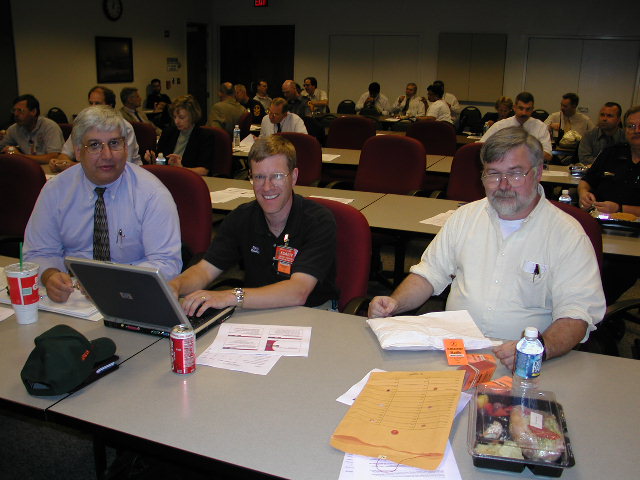
- The planning started in late 2003
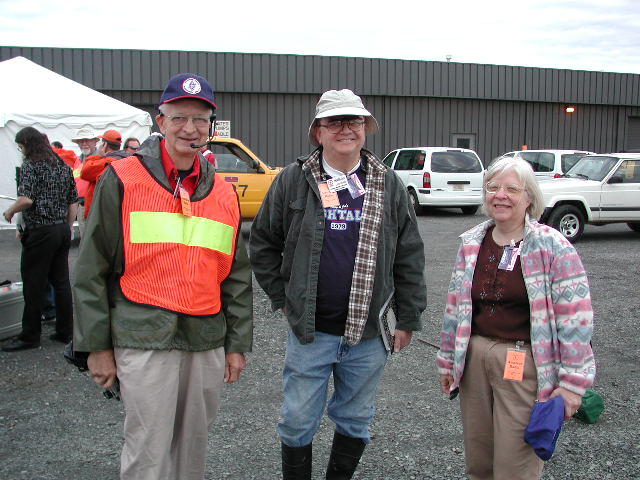
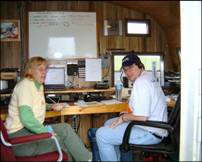
- From left to right: Howard Cunningham, WD5DBC, EC Fairfax; David Lane,
KG4GIY, EC Prince William; Tom Dawson, WD3AKD, EC Loudoun
|
|
8
|
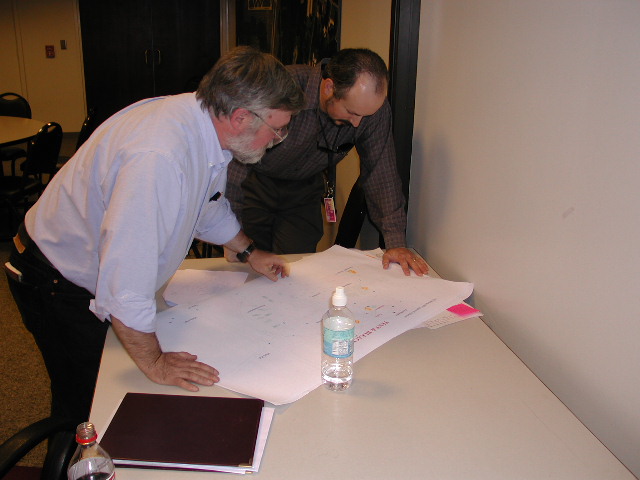
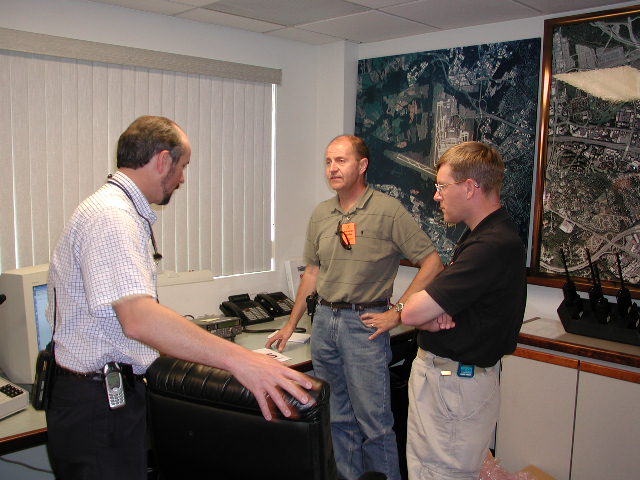
- Tom Dawson and Curt Vainio, K1CV, Airport Operations review placement of
gear at the site
- 9 police agencies, 10 hospitals, 8 Fire/EMS agencies, dozens of support
agencies and 7 airlines participated
|
|
9
|
- Curt, George Tarnovsky, K4GVT (ATV) and David in the Dulles EOC set up
the ATV
- Dulles Operations looks NOTHING like Die Hard 2
|
|
10
|
- Over 100 amateurs from 6 jurisdictions turned out to assist at Dulles
and the hospitals.
- Weather started out cloudy but the sun came out around 10
|
|
11
|
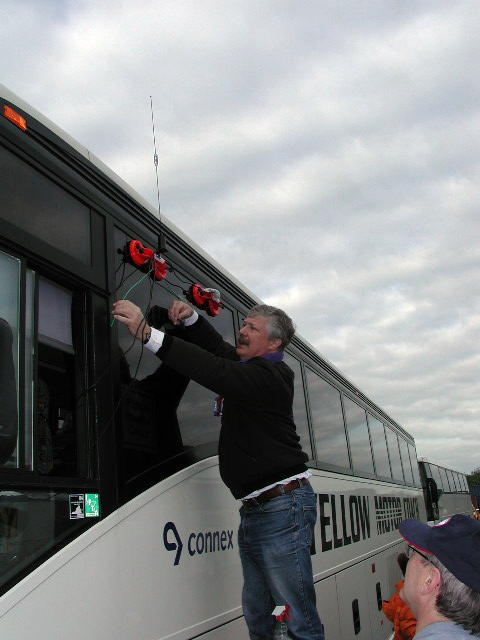
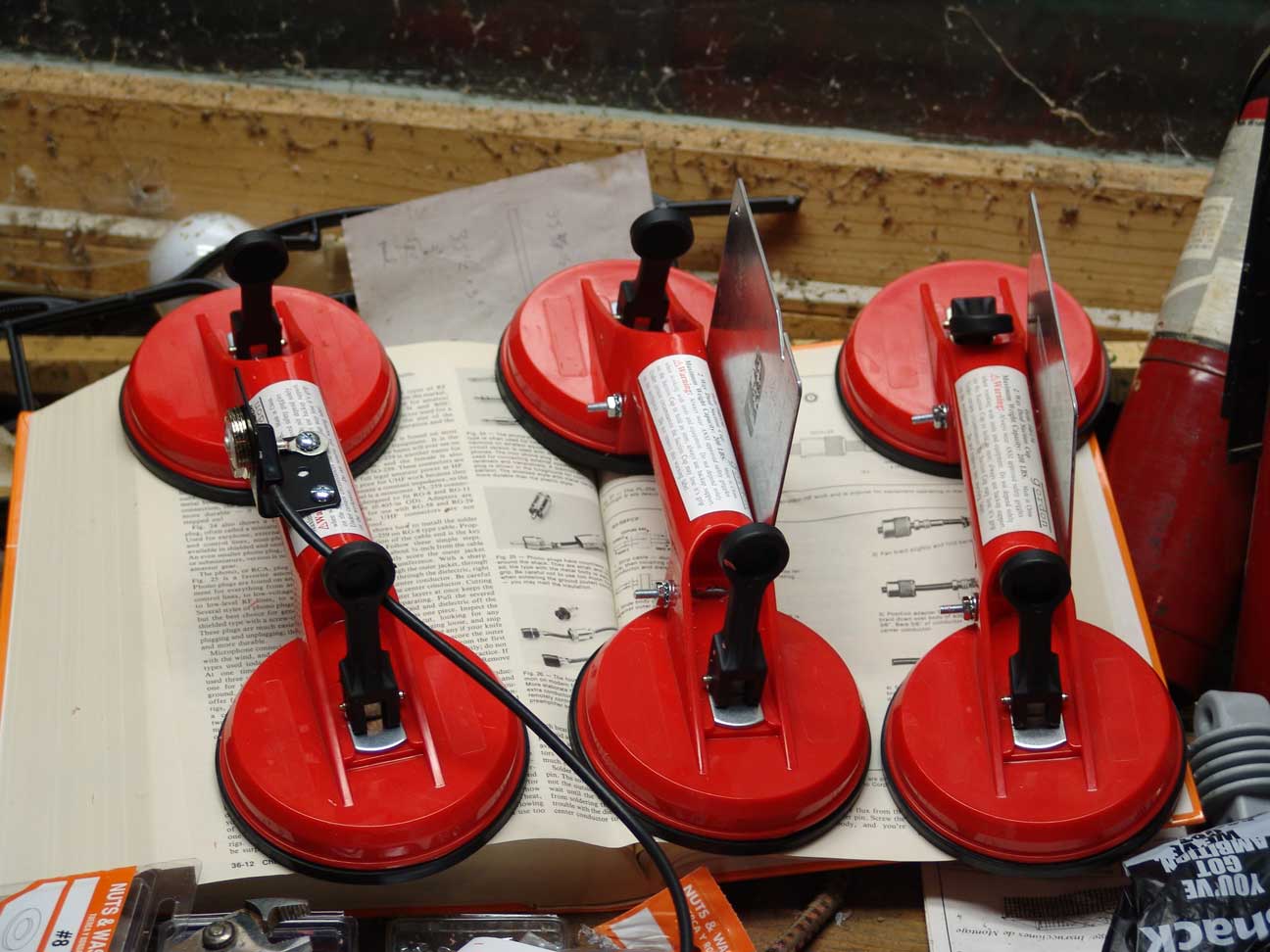
- Buses used to transport “green” tagged victims
- A unique solution to the problem
- Glass installers suction cups with pvc tubing
|
|
12
|
|
|
13
|
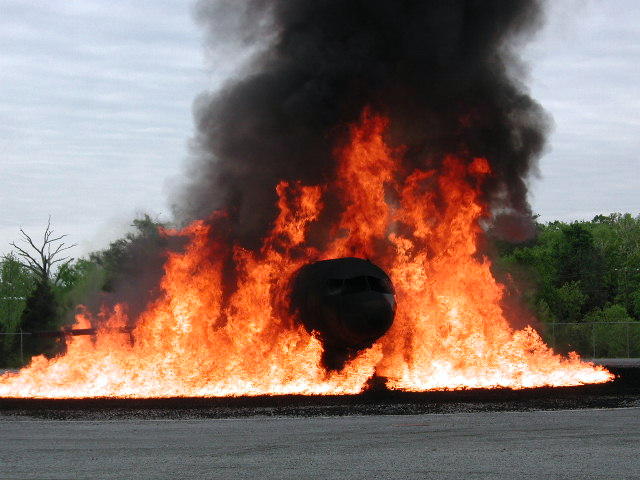
- Mock up of an airplane fuselage
- Flames are propane and controlled from a tower of picture
- Only facility like it on the East Coast
|
|
14
|
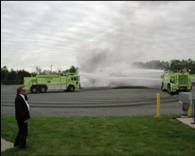
- Airport fire crews got a chance to play too
- Once the fire was out, the real work begins
|
|
15
|
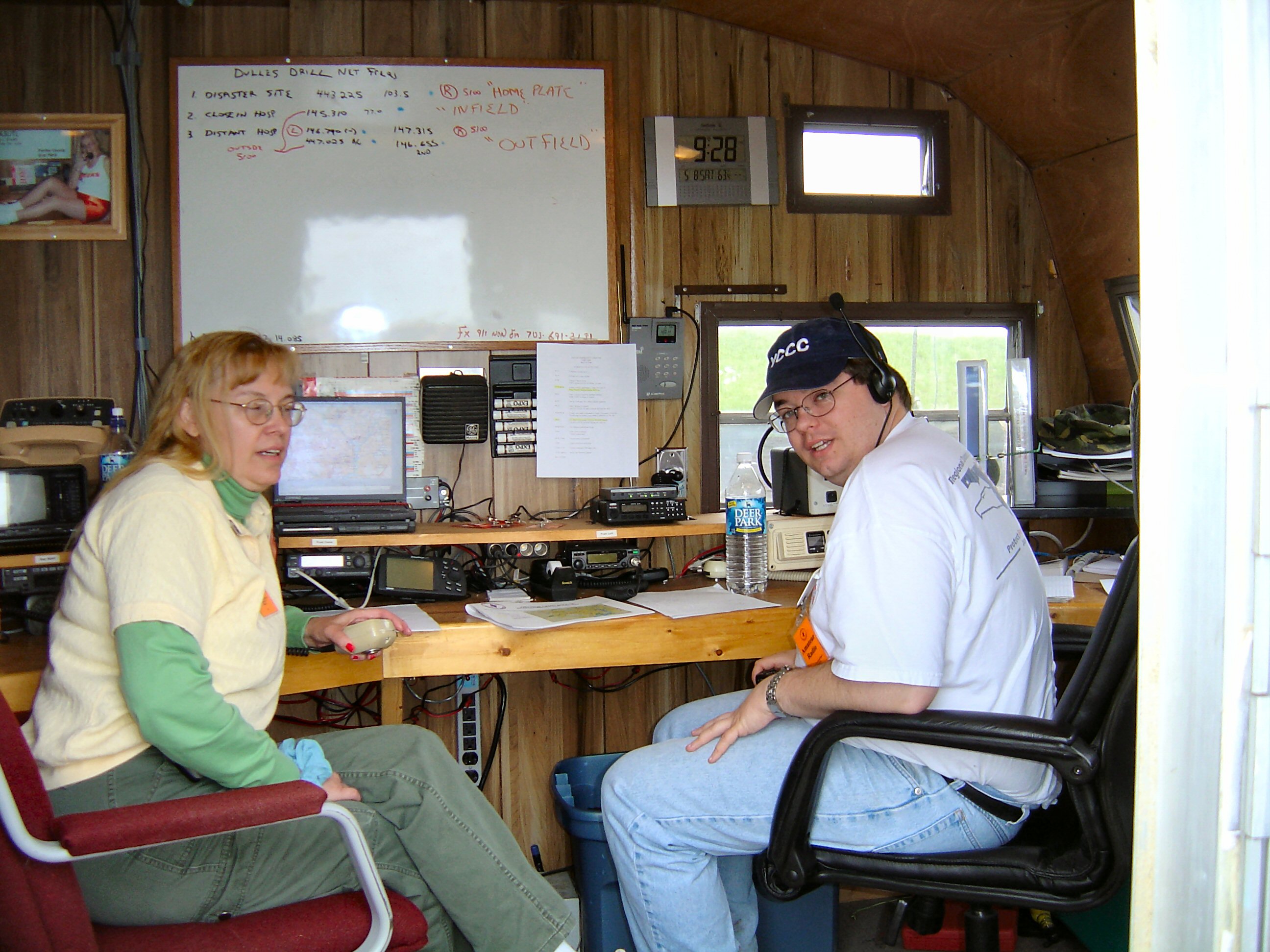
- Janet Shadle, KG4JBB and Dan Sullivan, KO1D run the Outfield
- 3 Nets in operation – Infield, Outfield and Homeplate (Crash)
|
|
16
|
- Provided communications support for:
- Dulles Airport operations
- Area hospitals
- American Red Cross
- Virginia Medical Examiners Office
- Provided APRS bus tracking for the patient buses going to the hospitals
and made sure all the simulated victims made it back to the airport
- Demonstrated our ability to integrate into an existing Incident Command
Structure
- Demonstrated our value as a communications resource by passing messages
that were not getting through on conventional channels.
|
|
17
|
- Practice
- Directed Net Skills
- Tactical/FCC call sign usage
- Traffic handling skills
- Learn
- ICS General Message form (ICS-213)
- How to better integrate with existing systems
|
|
18
|
- Improve
- Antennas at area facilities
- Relations with served agencies
- Perceived value of Amateur Radio and its operators
- Packet and digital systems in the region
- Our own understanding of who is in charge
- Dissemination of information, plans and routines
|
|
19
|
- Practice, practice, practice
- Northern VA Traffic Net/Baltimore Traffic Net
- NCAC Weekly Net (Sundays at 9pm 146.910)
- Local and regional events (MS Challenge Walk, Marine Corps Marathon)
|
|
20
|
- Learn
- NCAC Institutes – upcoming topics to include ICS and ICS forms, APRS,
and other digital modes
- Work with your local ARES leadership and team with your served agencies
to better integrate services
|
|
21
|
- Improve
- Identify local and regional deficiencies and report them, then follow
up on progress
- Volunteer to represent your ARES team as a served agency liaison
- Think about how you would react if…
- Find out the organizational structure of your own team and how it
changes based on need or event
- Stay current on action plans, frequency plans and fall backs. NCAC web site, local ARES web sites
|
|
22
|
- ARES is an all volunteer organization
- We are judged by our worst operator
- The Emergency Services community is a small group – we all need to work
together to succeed
- We all bring different skills to the table and everyone has something to
offer
|
|
23
|
|

 Notes
Notes